December 30, 2025
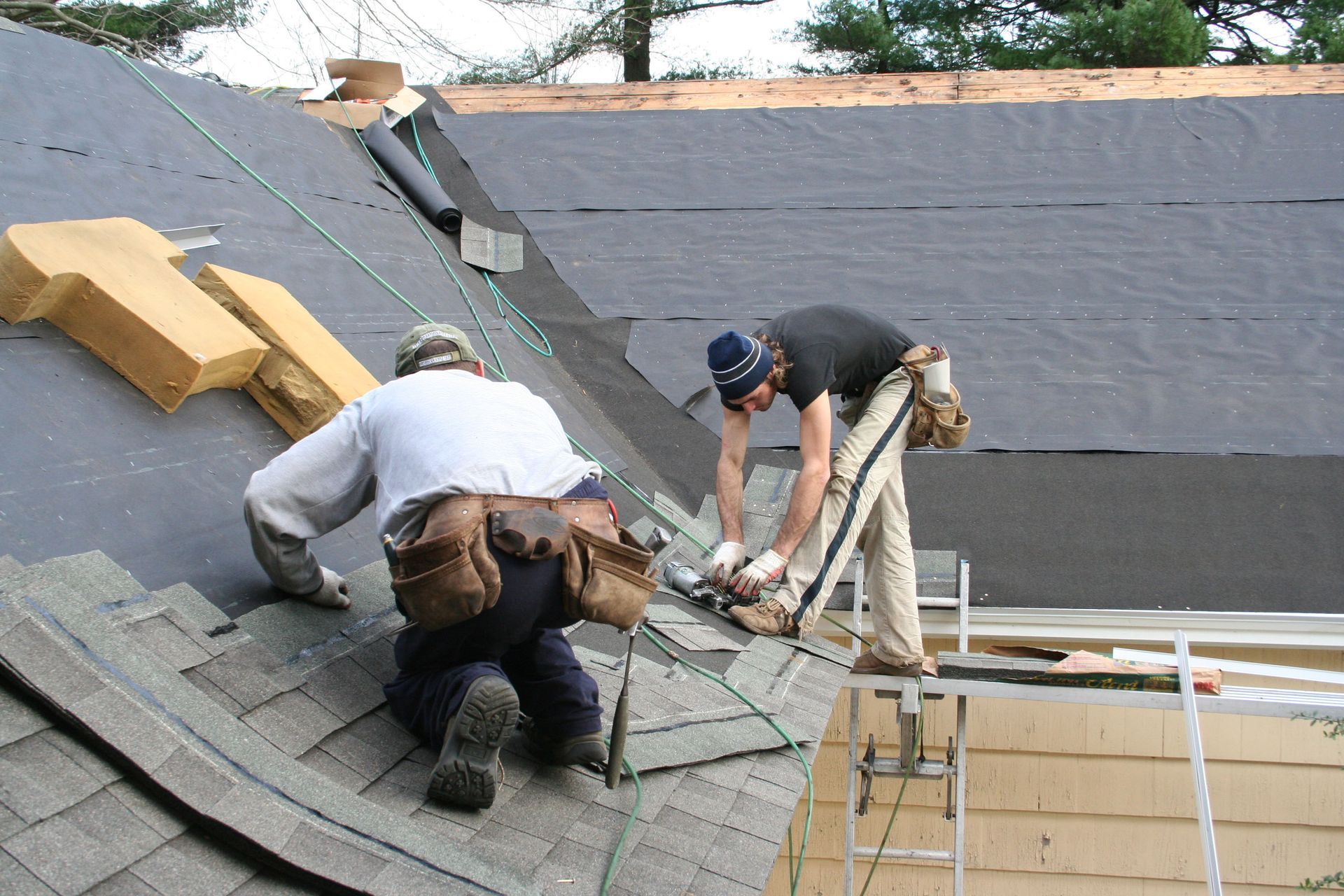
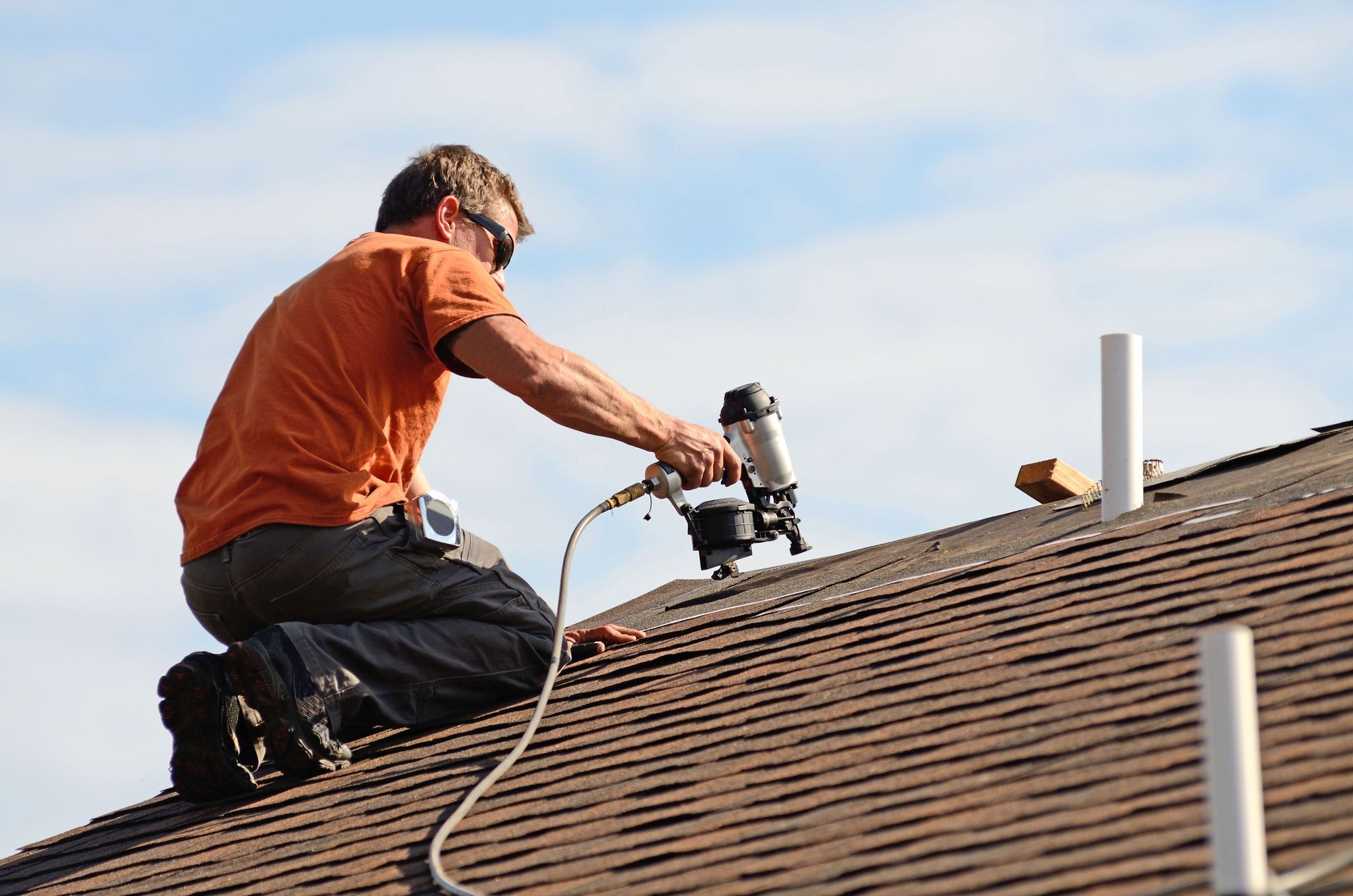
The roof is one of the most crucial components of any home, providing essential protection against the elements. Regular maintenance from professional roofers and timely replacements are necessary to ensure its continued performance. Ignoring signs of roof deterioration can lead to significant risks, including water damage, structural issues, and health hazards such as mold exposure. Being proactive about roof care not only protects your home but also improves its energy efficiency and overall value. Homeowners should be well-informed about when it's time for a new roof to avoid costly repairs and maintain the safety and comfort of their home.
Age of the Roof
Understanding the typical lifespan of roofing materials is crucial for planning maintenance and replacement needs. Asphalt shingles are among the most common roofing materials. According to This Old House, they have a lifespan that generally ranges from 15 to 30 years, as noted by sources like This Old House. We've found that metal roofs, known for their durability, can last anywhere between 40 and 70 years, depending on maintenance and environmental conditions. Tile roofs, made from materials like clay or concrete, offer excellent longevity and can last over 100 years with proper care. Homeowners need to consider these average lifespans when evaluating the condition of their roof.
The installation date of your roof is a key piece of information that can guide maintenance efforts and replacement planning. Knowing when your roof was installed helps you assess its current life stage and anticipate potential needs. If your roof is approaching the end of its expected lifespan, it's wise to begin considering replacement options. Additionally, keeping a record of past repairs can provide valuable insights into ongoing issues. Having clear documentation assists in decision-making and helps prevent unexpected emergencies.
Aging shingles often exhibit visible signs of wear that should not be ignored. Curling, for instance, occurs when shingles begin to lift from the roof plane, creating gaps that allow water ingress, leading to leaks. Cracking is another common symptom of aging, indicating the shingles are becoming brittle and less effective at protecting your roof. Granule loss, noticeable by the presence of granules in gutters, is a telltale sign that shingles are wearing down. Addressing these issues promptly can extend the lifespan of your roof and prevent further damage.
Visible Wear and Tear
Curling or buckling shingles are more than just aesthetic issues; they indicate underlying problems that need to be addressed. These issues can compromise the roof's ability to shed water, leading to moisture infiltration and potential water damage. The structural integrity of the roof can be impacted as water seeps into vulnerable areas, weakening the roofing deck and underlying structure. Timely replacement of affected shingles helps prevent further water-related issues and maintains the roof's protective barrier. Ignoring these signs can lead to significant repair costs and diminish the roof's overall lifespan.
Missing or damaged shingles represent clear breaches in the roof's defense against environmental elements. Each missing shingle increases the risk of leaks and water damage, especially during severe weather conditions. Over time, these exposed areas can deteriorate further, compromising adjacent shingles and creating pathways for moisture infiltration. Homeowners should periodically check for and replace any missing shingles to maintain the roof's integrity. Regular inspections and prompt replacements help preserve the roof's overall health and prevent costly repairs down the line.
A sagging roof is a serious issue that signals potential structural damage requiring immediate attention. This condition often results from prolonged exposure to water, which can weaken the roof's structural components, such as rafters and joists. If ignored, a sagging roof can lead to catastrophic failure and pose safety risks to inhabitants. Addressing the problem quickly with the help of a professional ensures the integrity of your home's structure and prevents further deterioration. This proactive approach can save homeowners considerable expense in repairs and potential rebuild costs.
Weather Damage
Severe weather events such as storms, hail, and high winds are primary contributors to roof damage. These conditions can strip shingles, dent metal surfaces, and even dislodge tiles, leaving the roof vulnerable to leaks and structural damage. Homeowners in regions prone to severe weather should perform preemptive inspections to fortify their roofs against upcoming storms. After severe weather, conducting a thorough inspection is necessary to identify and address any incurred damage promptly. Timely repair following severe weather protects the home's interior and prevents further deterioration.
Pooled or standing water on a roof, particularly flat designs, is a dangerous condition that requires immediate attention. This situation can lead to roof leaks, structural strain, and accelerated material weakening. Ensuring proper drainage is essential for avoiding the structural compromises caused by stagnant water. Homeowners can install efficient drainage systems and conduct regular inspections to clear any obstructions, guaranteeing optimal water flow. This proactive maintenance not only protects the roof from water damage but also extends its lifespan by maintaining its structural integrity.
Frequent temperature fluctuations can significantly impact roofing materials, leading to accelerated wear and tear. As temperatures vary, roofing materials expand and contract, which can cause cracking and loosening of shingles over time. Metal components of a roofing system may also warp or shift due to extreme temperature changes, undermining their stability. Homeowners should be aware of these effects and invest in materials specifically designed to withstand such conditions to mitigate potential damage. Recognizing these patterns early can help make informed choices in material selection and preventive maintenance strategies.
Energy Efficiency and Insulation
An inefficient roof can significantly impact a home's heating and cooling costs. A compromised roof may allow air to escape, forcing HVAC systems to work harder to maintain desired indoor temperatures. Homeowners should monitor their energy bills for unexpected increases that might indicate roofing issues. Replacing an old or inefficient roof with modern, energy-efficient materials can lead to substantial savings in energy costs. Additionally, improved insulation and ventilation associated with new roofing systems contribute to the home's overall comfort and energy management.
Poor roof ventilation can create a host of problems, affecting both the roof's lifespan and the home's comfort. Insufficient airflow can lead to heat buildup, exacerbating wear on roofing materials and causing condensation in the attic. This condensation can contribute to mold growth, wood rot, and compromised insulation efficiency. Ensuring proper ventilation by installing roof vents and maintaining clear pathways for airflow can significantly enhance the roof's performance. Improved ventilation supports better temperature regulation and reduces the risk of moisture-related problems, ultimately protecting the home from damage.
The condition of a roof directly influences a home's insulation effectiveness. Damaged or poorly maintained roofs can lead to gaps and openings where heat or cool air escapes, leading to inefficiencies and increased energy use. Regular inspection of roofing components, such as shingles, flashing, and underlayment, can identify potential issues that may impact insulation performance. Addressing these gaps by repairing or replacing damaged roofing materials helps maintain optimal insulation levels. This attention to detail prevents temperature fluctuations within the home and supports more efficient energy use.
Mold, Moss, and Algae Growth
Mold and algae growth on roofs are often caused by prolonged moisture exposure, poor ventilation, and inadequate sunlight. Roofs shaded by trees or structures are more susceptible, as limited sunlight creates an ideal environment for organic growth. Humid climates heighten the risk by sustaining moisture levels conducive to mold and algae proliferation. Homeowners need to address these factors by ensuring adequate drainage and improving airflow to mitigate growth. Proactive maintenance, such as trimming surrounding trees, can help reduce shade and moisture retention on the roof.
Mold growth presents significant risks to the structural integrity of a roof. The persistent presence of mold and algae can deteriorate shingles and other roofing materials, leading to premature aging and failure. As roofing materials weaken, the likelihood of leaks and water damage increases, compounding potential repair costs. Addressing mold growth early can prevent these outcomes and extend the life of roofing components. Homeowners should prioritize regular cleaning and maintenance to ensure a mold-free roof that provides durable protection against the elements.
Mold growth on roofs can have serious health implications for residents. As mold develops, spores can infiltrate the home through leaks or inadequate ventilation, posing respiratory and allergic risks to inhabitants. Mold exposure can exacerbate conditions such as asthma, allergies, and other respiratory issues, making indoor environments uncomfortable or unhealthy. Ensuring a well-maintained roof is essential for preventing mold from affecting interior air quality. Regular inspections and preventive measures, such as addressing leaks and investing in proper ventilation, can help safeguard health by minimizing mold exposure.
Recognizing the signs that it’s time for a new roof is an essential step in protecting your home’s long-term safety and value. From aging materials and visible wear to weather-related damage, insulation problems, and mold growth, each indicator can point to deeper issues that shouldn’t be ignored. A timely roof replacement not only prevents expensive repairs and structural damage but also improves energy efficiency, indoor comfort, and overall property value. By staying informed and proactive, homeowners can make confident decisions about their roofing needs and ensure their home remains well-protected for years to come. When problems arise, or a roof nears the end of its life, reaching out to a qualified roofing professional provides the best path forward—delivering peace of mind, reliable protection, and a secure investment in the future of your home. For professional
roofers you can count on, contact Jenco Construction today.