December 29, 2025
Thermoplastic Olefin (TPO) roofing is a popular choice for residential buildings due to its durability and energy efficiency. However, to maximize its lifespan and efficacy, regular maintenance is vital. This article explores the key maintenance practices local roofers prioritize for TPO roofs, ensuring long-lasting protection and performance. With the proper strategies, homeowners can significantly prolong the life of their TPO roofs. According to This Old House, a TPO roof can last up to 30 years with proper care. This makes understanding these maintenance practices even more important.
Regular Inspections
Frequency and Timing
Regular inspections are crucial for maintaining the health and longevity of TPO roofs. Local roofers typically recommend that inspections be scheduled at least twice a year, ideally in the spring and fall. This timing helps in identifying and addressing seasonal damage before it becomes severe. The focus should be on observing roof changes after adverse weather events such as storms or heavy snowfall. Consistent checks ensure minor issues can be managed before they escalate into costly repairs.
Signs of Wear and Tear
During inspections, local roofers should diligently look for signs of wear and tear that could compromise the roof's integrity. Common indicators include blistering, cracking, and other forms of surface damage. Any discoloration or membrane degradation could be an early sign of failure. Over time, even high-quality TPO roofs can develop potential weak points if neglected. Detecting these early is key to maintaining the roof's protective abilities and prolonging its life.
Professional vs. DIY Inspections
While some homeowners might attempt to conduct inspections themselves, professional assessments are highly recommended for a thorough evaluation. Roofing professionals are trained to spot subtle issues that an untrained eye might miss. They have the tools and experience to perform more comprehensive checks. However, homeowners can still play a role by regularly observing roof conditions from the ground level. Combining both professional and DIY efforts can ensure more robust roof maintenance.
Documenting Inspection Findings
Documenting the findings of each inspection is an essential step in the maintenance process. Detailed records can provide a history of the roof's condition and help in identifying patterns of recurring issues. This historical data can also be invaluable when needed for insurance claims or warranty services. Moreover, it aids local roofers in developing tailored maintenance plans for individual roofs. A well-documented inspection process makes tracking progress and strategizing future maintenance much more manageable.
Utilizing Technology for Inspections
Advancements in technology have revolutionized the way roof inspections are conducted. Drones equipped with cameras can capture high-resolution images and videos of hard-to-reach areas safely. Infrared technology can detect moisture buildups that may not be visible to the naked eye. Utilizing these technologies ensures a comprehensive overview of roof health without the physical hazards. Incorporating tech-driven methods can significantly enhance inspection accuracy and efficiency.
Cleaning TPO Roofs
Choosing the Right Cleaning Solutions
Choosing the appropriate cleaning solution is crucial to maintaining the integrity of a TPO roof. Harsh chemicals can damage the membrane and shorten the roof's lifespan. Local roofers should select cleaning agents specifically designed for TPO materials. These solutions are formulated to be strong enough to remove dirt and debris without compromising the roof's structure. Regular cleaning with the right products helps maintain both the appearance and functionality of the roof.
Pressure Washing Techniques
Pressure washing can be an effective method for cleaning TPO roofs, but it must be done with caution. Excessive pressure can cause damage, so it's important to use a washer with an adjustable pressure setting. Local roofers should apply techniques that ensure even cleaning while avoiding damage to the membrane. A methodical, sweeping motion can help remove years of grime and buildup. Local roofers should always follow manufacturer guidelines regarding suitable pressure levels for TPO surfaces.
Addressing Algae and Mold Growth
Algae and mold growth are common issues that affect TPO roofs, especially in humid climates. These organisms not only affect the roof's appearance but can also contribute to faster deterioration. Regular application of fungicides can help prevent growth before it starts. Additionally, ensuring proper drainage and debris removal can reduce the moisture buildup that fosters mold growth. By taking these preventative measures, homeowners can maintain a cleaner, more functional roof environment.
Maintaining Roof Cleanliness Throughout the Year
Consistent efforts to maintain roof cleanliness can prevent the build-up of debris and contaminants. Periodic cleaning, in combination with inspections, ensures that minor issues are tackled promptly. Implementing a year-round maintenance schedule can be central to preserving the roof's aesthetics and functionality. Seasonal adjustments may be necessary to accommodate changes in environmental conditions. Long-term cleanliness management can contribute to the roof's overall durability and performance.
Environmental Considerations for Cleaning
While keeping a TPO roof clean is important, environmental concerns should not be overlooked. Using eco-friendly cleaning agents can reduce the impact on surrounding ecosystems. Local roofers should also consider water usage and potential runoff when planning cleaning activities. Waste disposal needs careful management to ensure contaminants are not introduced into local water bodies. Balancing cleaning effectiveness with ecological responsibility is key to sustainable roof maintenance practices.
Seam and Flashing Checks
Importance of Seam Integrity
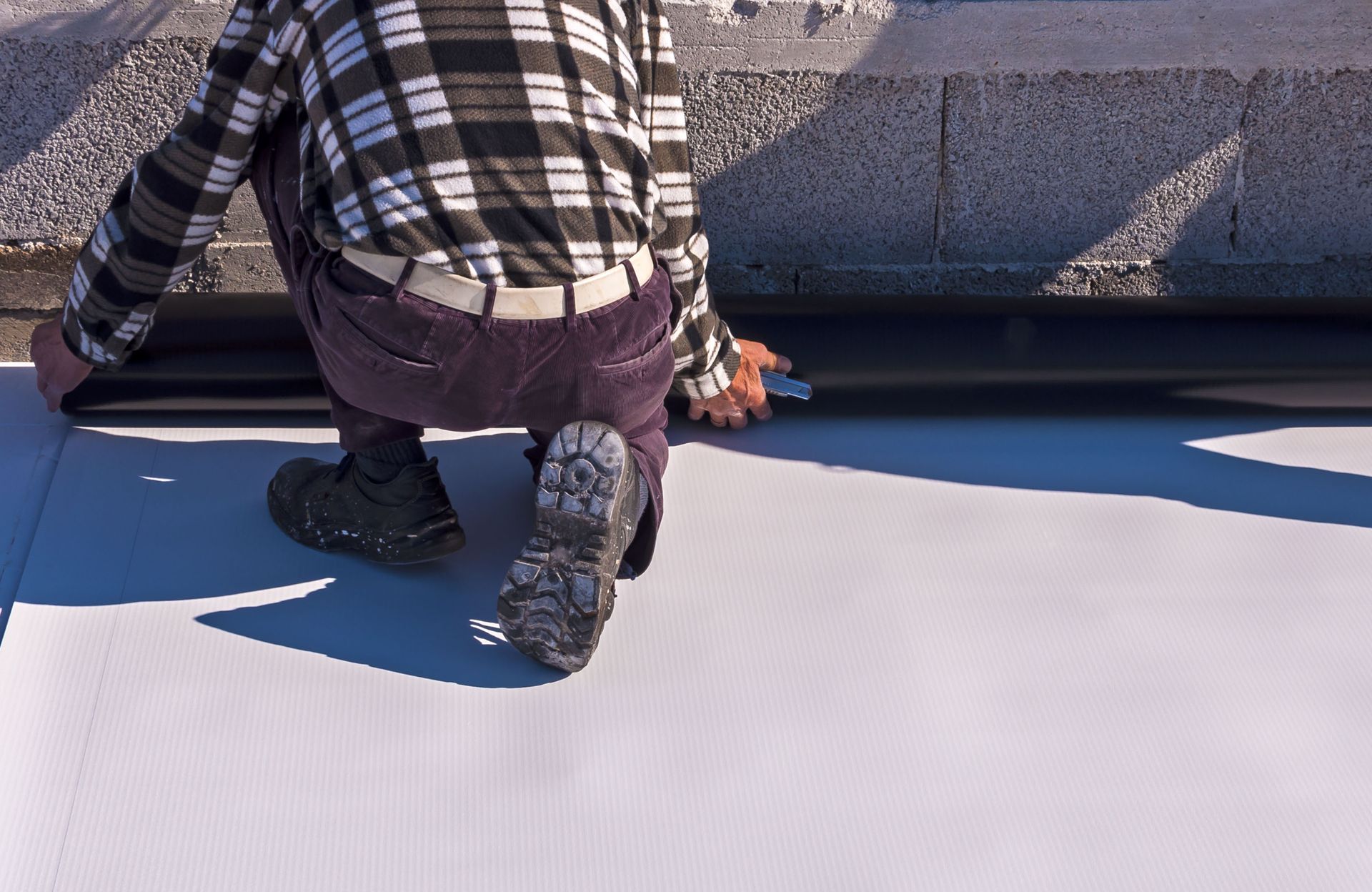
Maintaining the integrity of seams is crucial in preventing leaks and water damage in TPO roofs. Seams are typically the most vulnerable areas where materials join and can be compromised over time. Local roofers must check that all seams are properly sealed during each inspection. Reinforcement tapes and special adhesives can be used to secure any weak spots. Ensuring tight seam connections is essential for the overall durability of the roof.
Identifying Flashing Issues
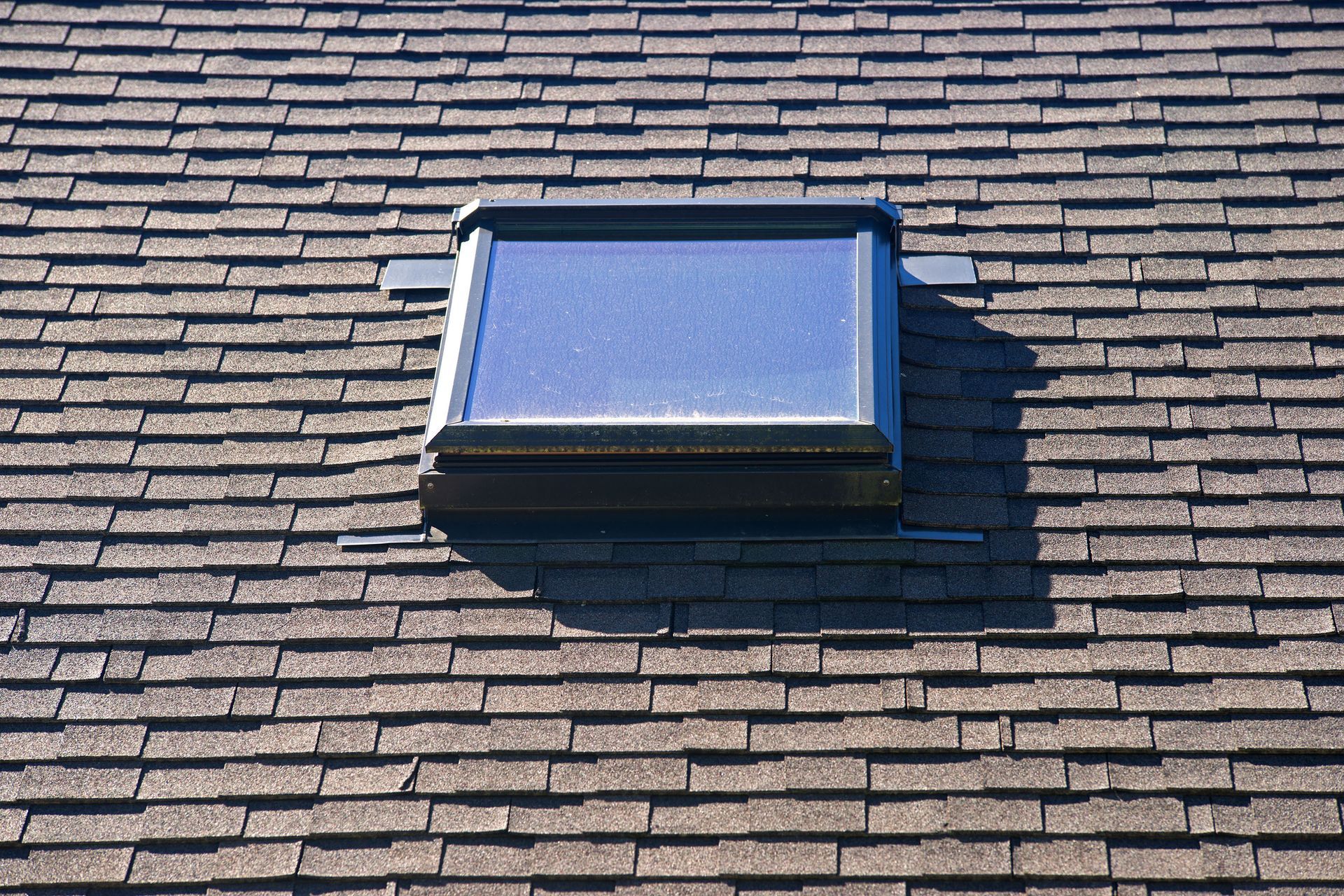
Flashing acts as a barrier, diverting water away from critical areas of the roof. Misaligned or damaged flashing can lead to water infiltration, which can cause significant damage over time. Regular checks should focus on identifying poor alignment, corrosion, or wear in flashing components. Proper flashing installation and maintenance are essential to preventing leaks. Addressing flashing issues promptly helps in mitigating potential water damage.
Repair Techniques for Seams
Repairing seams involves cleaning the area and applying new sealant or tape. Local roofers must ensure that seams are free of debris for effective adhesion. Using high-quality adhesive materials enhances the seal's durability and resistance to weather elements. Seam repair techniques must be precise to avoid lift or separation under extreme conditions. Regular maintenance of seam integrity can extend the life expectancy of a TPO roof significantly.
Tools for Flashing Maintenance
Flashing maintenance requires specific tools for effective upkeep. Local roofers use sealants, tapes, and metal snips to ensure proper installation and adjustment. A thorough inspection usually involves checking for looseness or gaps with these tools. Proper tape application and flashing adjustments require skillful handling. Investing in quality tools contributes to achieving a more reliable and longer-lasting roof structure by accurately addressing potential issues with flashings.
Preventative Measures for Flashing Deterioration
Preventative measures are integral in preserving flashing integrity. Regular applications of protective coatings can shield it from corrosion and environmental wear. Proper installation practices, eliminating gaps, and ensuring a snug fit can prevent premature flashing deterioration. Regular monitoring aids in catching minor issues before they develop into significant problems. Preventative care for flashing is as essential as addressing existing issues to maintain the overall functionality and duration of a TPO roofing system.
Proper maintenance is critical for preserving the performance, appearance, and longevity of TPO roofs. By prioritizing regular inspections, cleaning, and seam and flashing checks, residential roofers can effectively protect TPO installations from potential damage and optimize their benefits. Incorporating these practices ensures that TPO roofs reach their full lifespan potential, continuing to deliver energy-efficient and weather-resistant solutions for residential buildings. Engaging with professional roofers and remaining proactive enhances the resilience of TPO roofs long-term, securing their role as a valuable asset in residential architecture. If you're looking for local roofers, contact Jenco Construction today.