December 4, 2025
The enhancement of energy efficiency in homes is tied significantly to the quality and design of the roof. A home's roof plays a vital role in determining how well energy is conserved within its walls. Understanding how a new roof contributes to energy efficiency involves looking at factors such as material, design, and modern technologies. As energy costs rise, homeowners are increasingly drawn to local roofers with solutions like an energy-efficient roof.
Impact of Roofing Materials
Choosing the right roofing material is crucial in ensuring optimal energy performance. Different materials provide varying levels of insulation and reflectivity, directly impacting energy consumption. Metal roofs, for instance, have gained popularity due to their ability to reflect solar energy effectively. Asphalt shingles, while cost-effective, may not offer the same level of efficiency unless coated with reflective granules. According to RoofLink, nearly 92% of homeowners rank their roof as one of the top three priorities when planning home improvements, largely due to the energy implications.
Local roofers know that roofing materials aren't only about function but also about environmental impact. Eco-friendly materials such as recycled metal and cool roofing materials cause less harm to the environment. Asphalt shingles, though widely used, may carry a heavier environmental cost unless composed of recycled content. Understanding the lifecycle impact of these materials can guide more sustainable choices. Ultimately, the goal is to choose materials that meet energy efficiency needs while being mindful of environmental impact.
Cost is a significant factor when evaluating roofing materials for energy efficiency. While initial costs for some materials like metal may be higher, long-term savings on energy bills can offset this expenditure. Homeowners often face a trade-off between upfront costs and energy efficiency benefits over time. Considering factors such as local climate and roof longevity can aid in making an informed decision. The right roofing material can be a worthwhile investment, enhancing both energy savings and the property value.
Influence of Roofing Design
Roofing design significantly contributes to a home's energy efficiency by influencing heat gain and loss. A well-designed roof can reduce the need for artificial cooling or heating. The roof pitch, for example, affects how well rainwater drains and how much sunlight a roof absorbs. Higher pitches in hot, sunny climates can help in deflecting sunlight and facilitating regular cleaning. Conversely, flatter roofs may excel in areas with heavy snowfall, aiding in natural insulation.
The color of a roof is more than an aesthetic choice; it impacts energy efficiency by influencing heat absorption. Light-colored roofs reflect more sunlight, keeping homes cooler in hot seasons, while dark-colored roofs absorb more heat. In cooler climates, dark roofs can contribute to passive solar heating during winter months. Selecting a color from local roofers that complements the regional climate can result in substantial energy savings. Balancing these choices can optimize comfort and reduce energy consumption throughout the year.
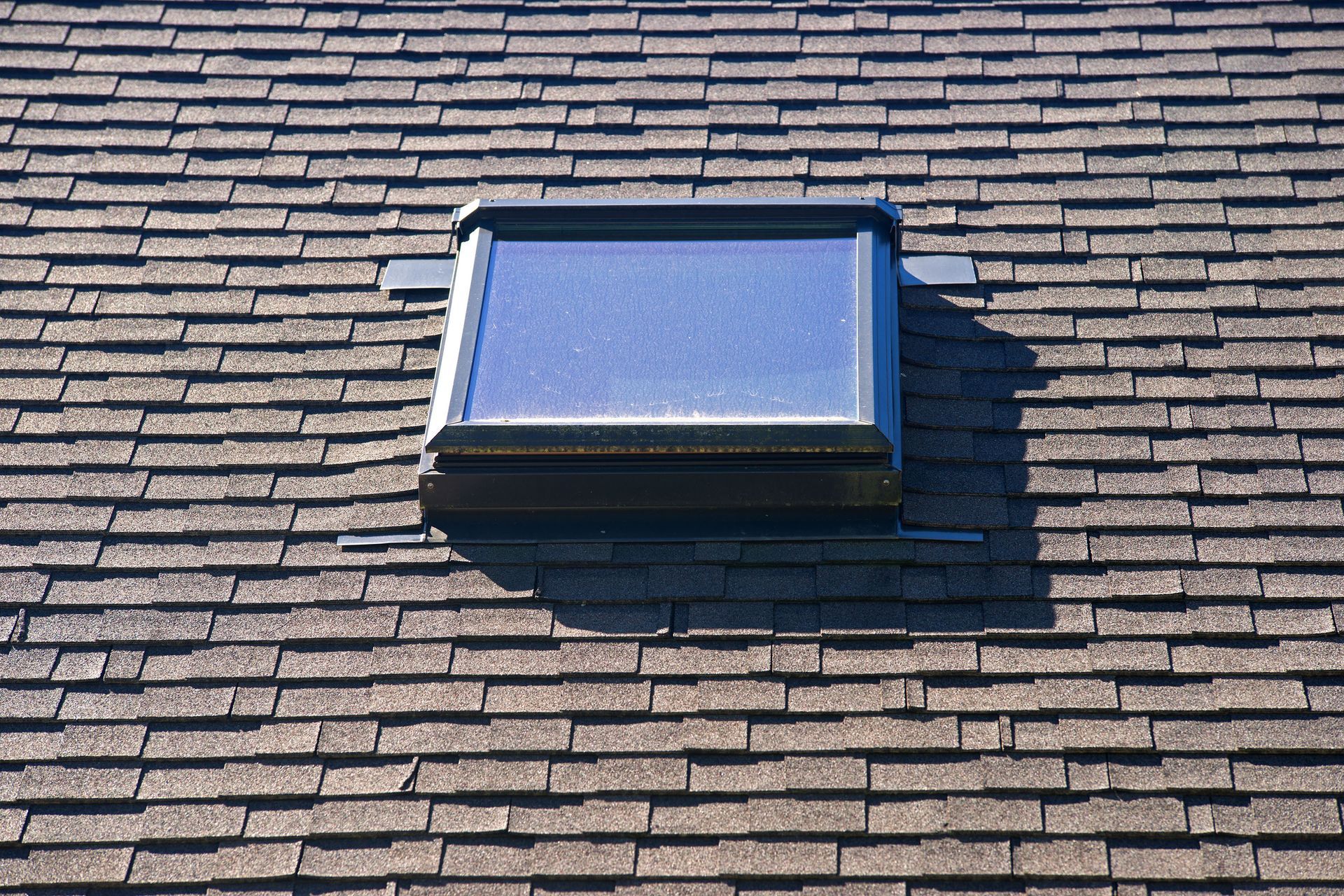
Ventilation and insulation work synergistically in roofing design to maximize energy efficiency. Adequate ventilation prevents heat and moisture buildup, which can compromise insulation and increase energy costs. Proper insulation, on the other hand, keeps regulated temperatures within the home, reducing the load on heating and cooling systems. Combining both elements in roof design ensures a comfortable indoor environment. Integrated skylights add natural light, further reducing the need for artificial lighting during the day.
Benefits of Advanced Technologies
Modern advancements in roofing technology have opened new avenues for energy conservation. Cool roofs leverage advanced materials to reflect more sunlight and absorb less heat than standard roofs. Installing a cool roof can decrease cooling demands, leading to lower utility bills. These roofs are particularly beneficial in urban areas, where heat retention is higher. Cool roofs showcase an effective way to reduce energy consumption sustainably.
Green roof systems incorporate vegetation into roofing, blending energy efficiency with environmental benefits. These systems offer natural insulation by absorbing sunlight and reducing heat transmission into the building. The plants in a green roof system can also improve air quality and aid in rainwater management. Such roofing solutions resonate well with eco-conscious homeowners. The construction of green roofs by local roofers, however, requires careful planning and professional guidance to ensure structural feasibility and optimal performance.
Photovoltaic roofing systems represent the convergence of roofing technology with renewable energy generation. These systems integrate solar panels directly into the roofing material, providing seamless energy production. By harnessing solar power, homeowners can significantly reduce dependency on nonrenewable energy sources. Photovoltaic systems can be designed to match various architectural styles, enhancing both aesthetic appeal and energy efficiency.
Consideration of Climate
The choice of an energy-efficient roof must include consideration of local climate patterns. Areas with high solar exposure benefit from roofs designed to reflect and dissipate heat effectively. In contrast, regions characterized by cold and rain require materials and designs that enhance natural heating and water repellence. By selecting a roofing solution tailored to the local weather, homeowners can maximize energy efficiency. Customization is key to leveraging climatic factors for optimal roof performance.
Addressing seasonal variations involves adjusting roofing strategies to handle changing weather conditions. During summer, roofs with high reflectivity can drastically cut cooling costs. In the winter, roofs equipped with proper insulation retain heat, thus reducing heating demands. Recognition of these seasonal needs ensures that energy usage remains balanced throughout the year. Effective roofing strategies can turn these climatic fluctuations into opportunities for energy conservation.
The growing incidence of severe weather prompts consideration of stormproof roofing options that don't compromise on energy efficiency. Impact-resistant materials not only protect the home from damage but also maintain consistent thermal performance. Choosing robust roofing from local roofers that aligns with local storm patterns helps prevent costly weather damage. Proper maintenance further guards against energy loss due to weathering effects. Such roofing solutions present a dual function: protection and sustained energy savings.
Financial Advantages of Energy-Efficient Roofing
The economic advantages of installing an energy-efficient roof extend beyond reduced utility bills. Homeowners experience significant cuts in energy spending due to a more controlled indoor climate. As heating and cooling demands decrease, so does the strain on both home budgets and energy grids. The transition to an energy-efficient roof can act as a catalyst for further home improvements.
Home resale value sees a boost with the addition of energy-efficient roofing. Potential buyers are increasingly aware of the benefits, seeing these additions as attractive upgrades that align with modern energy conservation goals. Property appraisals often reflect this value, showcasing efficient roofs as significant attributes. Integrating energy-efficient features can raise the appeal and competitiveness of a property. This proves especially true in markets where environmental considerations continue to gain priority with prospective buyers.
Various government incentives support the transition to energy-efficient roofing, including tax credits and rebates. Financial incentives help offset initial costs, making energy-efficient upgrades more accessible. Homeowners can leverage these programs to improve overall energy consumption. Evaluating available incentives can further inform material and technological choices. As sustainability becomes a legislative focus, such financial opportunities are poised to grow, enhancing the long-term value proposition.
By choosing a new, energy-efficient roof from local roofers, homeowners can enjoy substantial improvements in energy conservation. From material choice and design considerations to advanced technologies and economic benefits, the impact extends throughout the home. The commitment to integrating energy-efficient roofing systems not only lowers energy bills but also elevates property value, positioning the household for a sustainable future. Contact Jenco Construction today to schedule your free estimate and start building a greener, more efficient roof for your home.